
If you’re looking for tactical naval warfare board games for adults, you’ve landed in the right spot. These aren’t your childhood Battleship remakes. Modern naval wargames are engineering-driven experiences built for players who want deep strategy, real consequences for every decision, and components that feel like they cost what you paid for them.
Here’s the truth: tactical naval warfare board games separate themselves from casual maritime games through one thing—positional complexity. Every grid square matters. Every ship placement ripples through your economy and your tactical options. That’s what makes them endlessly rewatchable and worth the table real estate.
Related: Best Board Games With Miniature Pieces and Cards
What Makes a Naval Wargame Tactical (Not Just Thematic)
A casual naval game lets you move ships around and roll dice. A tactical naval warfare board game makes you think three moves ahead before you commit to anything.
The difference comes down to these core mechanics:
- Resource allocation systems that force trade-offs between offense and defense.
- Grid-based movement that rewards positional awareness and punishes careless deployments.
- Real consequence decision trees where your choices today constrain your options tomorrow.
- Submarine mechanics that add asymmetry and hidden information to the battlefield.
When these systems intersect, you get a game where cunning tactics matter more than luck. That’s the baseline for anything worth your time as an adult player.
Key Mechanical Frameworks to Look For
Not all naval games are built the same way. You need to know what kind of gameplay experience you actually want.
Real-time decision-making games force immediate action. You don’t have time to calculate seventeen scenarios. You move, you commit, and you live with the outcome. These create intense, high-pressure sessions where snap judgment matters.
Turn-based strategy games let you plan everything out. You can spend five minutes analyzing convoy routes, fuel logistics, and task force positioning. If you love spreadsheet-level detail and thinking several moves ahead, this is your lane.
Hybrid systems blend both approaches. Maybe movement is real-time, but combat resolution is turn-based. Maybe you have a planning phase followed by simultaneous action execution.
Cold War naval scenarios dominate the serious wargaming space right now. You’ll see submarine hunting, task force command, and Atlantic Ocean convoy operations represented across different game designs. These settings naturally create the asymmetrical gameplay that makes naval combat tactically interesting.
What Component Quality Actually Means for Naval Games
This matters more than it sounds. In a naval wargame, your components are your interface to the game world.
High-fidelity miniatures aren’t just pretty. They help you instantly read the board state from across the table. You can see ship types, orientations, and damage levels at a glance. Bad miniatures make you squint and ask questions every turn.
Detailed ship tokens or miniatures with customization options let you build your own task forces. You’re not playing someone else’s pre-built fleet. You’re designing doctrine and loadouts that reflect your tactical philosophy.
Precision components—cards with clear iconography, charts that don’t require a decoder ring, tokens that fit snugly in their spaces—reduce friction. You spend time on strategy, not on hunting for game pieces or decoding ambiguous symbols.
When you’re investing in a premium naval wargame, component quality is how you know the designer respects your time and your attention. Island Warfare takes this seriously. Every detail from miniature sculpting to card stock to board construction is engineered for competitive gameplay and repeated plays.
Related: Island Warfare Board Game: How to Play (Complete Guide)
Naval Eras and Historical Tactics in Modern Games

You don’t need a history degree to enjoy these games, but historical naval tactics often inform the mechanical design.
Submarine warfare mechanics, for example, directly borrow from actual Cold War naval doctrine. Convoy hunting requires patience and positioning, just like real submarine tactics. Task force command games teach you how fleet composition affects defensive capability and offensive range. You learn through playing why certain naval strategies worked and why others failed.
Games covering multiple naval warfare eras let you test different strategic approaches. A game with both modern destroyer tactics and historical battleship scenarios shows you how technology changed what tactics work. Modern games might emphasize radar ranges and missile defense. Historical games might focus on line-of-sight engagement and armor optimization.
The best tactical naval warfare board games for adults use historical authenticity not as flavor text but as a foundation for gameplay balance. The mechanics emerge from real naval problems.
How to Pick Your First Tactical Naval Game
Start by asking yourself: do you want real-time pressure or thoughtful planning?
If you want to think deeply and plan methodically, look for turn-based games with high positioning complexity. You’ll love analyzing grid movement, optimizing your economy, and building supply chains that support offensive operations.
If you want immediate decision-making and fast sessions, seek out real-time or time-pressure variants. These reward snap judgment and keep sessions brisk.
Next, consider your group size. Some naval wargames shine with two players in asymmetrical matchups (one player commands submarines, the other defends convoys). Others support four or more players in team-based scenarios. Make sure the game scales to your actual gaming table.
Finally, check component depth. Do you want to build customized fleets, or would you rather have pre-designed forces ready to deploy? Customization adds replayability but increases decision overhead.
If you want to dive deep into a game specifically engineered for tactical naval combat with premium components and competitive depth, check out Island Warfare’s approach to the genre. It’s built for the player who takes their naval strategy seriously.
Related: Island Warfare vs Competitors 2026: Best Naval Warfare Game Rules
Building Your Naval Warfare Gaming Habit
Once you’ve picked your first game, here’s how to get the most out of it.
Play the same matchup three or four times before switching scenarios. This teaches you how the map shapes strategy and which positions actually matter. You’ll stop making beginner mistakes and start recognizing tactical patterns.
Study your opponent’s decisions, not just the outcome. Why did they position their submarines there? What were they defending? What were they threatening? The best players think in terms of opponent intent, not just board state.
Experiment with different fleet compositions and strategies across replays. Naval wargames reward creativity. The textbook approach might be solid, but the unexpected tactic wins.
Join a gaming community focused on your chosen game. Serious wargamers share strategies, debate rules interpretations, and organize tournaments. You’ll learn faster and play better opposition.
Why Tactical Depth Matters More Than Theme
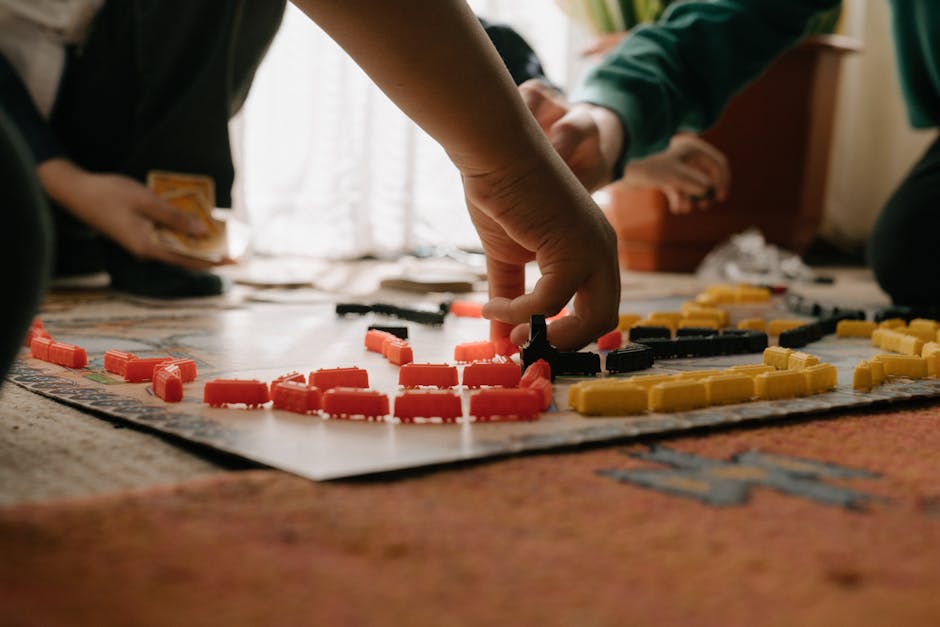
Some games have incredible naval flavor but paper-thin tactics. Every decision collapses down to “move forward and hope.”
Real tactical naval wargames make you reconsider every move. Should you spread your fleet for coverage, or concentrate for firepower? Do you protect your convoys with destroyers, or risk them for speed? Do you advance aggressively, or fortify your position? These aren’t hypothetical questions. They’re real trade-offs baked into the mechanics.
Games with spreadsheet-level detail and high positioning complexity separate casual players from serious strategists. You might spend an hour playing a single scenario, and feel like you’ve fought a real battle by the end. That’s the mark of a game designed for adults who respect the genre.
People Also Ask
What’s the difference between a naval board game and a naval wargame?
A board game uses naval theme but keeps mechanics simple for broad appeal. A wargame prioritizes tactical depth over accessibility. Wargames assume you’ll spend time learning systems and thinking strategically. Board games aim for quick setup and faster playtime. Both have value, but they’re different beasts.
Can you play tactical naval games solo?
Some support solo play through AI systems or scenario-specific rules. Others are strictly multiplayer. Check the rulebook before buying if solo play matters to you. Many serious wargamers do play solo for strategy experimentation, though the game often feels different without live opponents making unpredictable decisions.
How long does a typical tactical naval game session take?
Depends on the game and player count. Real-time games might finish in 45 minutes. Turn-based strategic games can run 2-3 hours or longer. Some scenarios are shorter than others. Always check estimated play time before committing your evening.
Do you need a history background to enjoy naval wargames?
No. Historical context helps you appreciate design decisions, but you don’t need to know naval history to win. The mechanics teach you why certain tactics work. If you enjoy strategy games and want something deeper than standard board games, tactical naval wargames deliver regardless of your history knowledge.



4 thoughts on “Tactical Naval Warfare Board Games for Adults: A Complete Guide”